The Winter Olympics are just around the corner. Everything revolves around that one moment. A four-hundred-meter track. A start. An overtaking move. One descent.
At work, it’s no different: one pitch, one crisis, one deadline.
The TeamNL winter athletes are ready; the support staff as well.
Kimberley Bos is going to dive down an icy track at high speed.
Jutta Leerdam, Suzanne Schulting and Femke Kok are going to compete in the 1000 meters.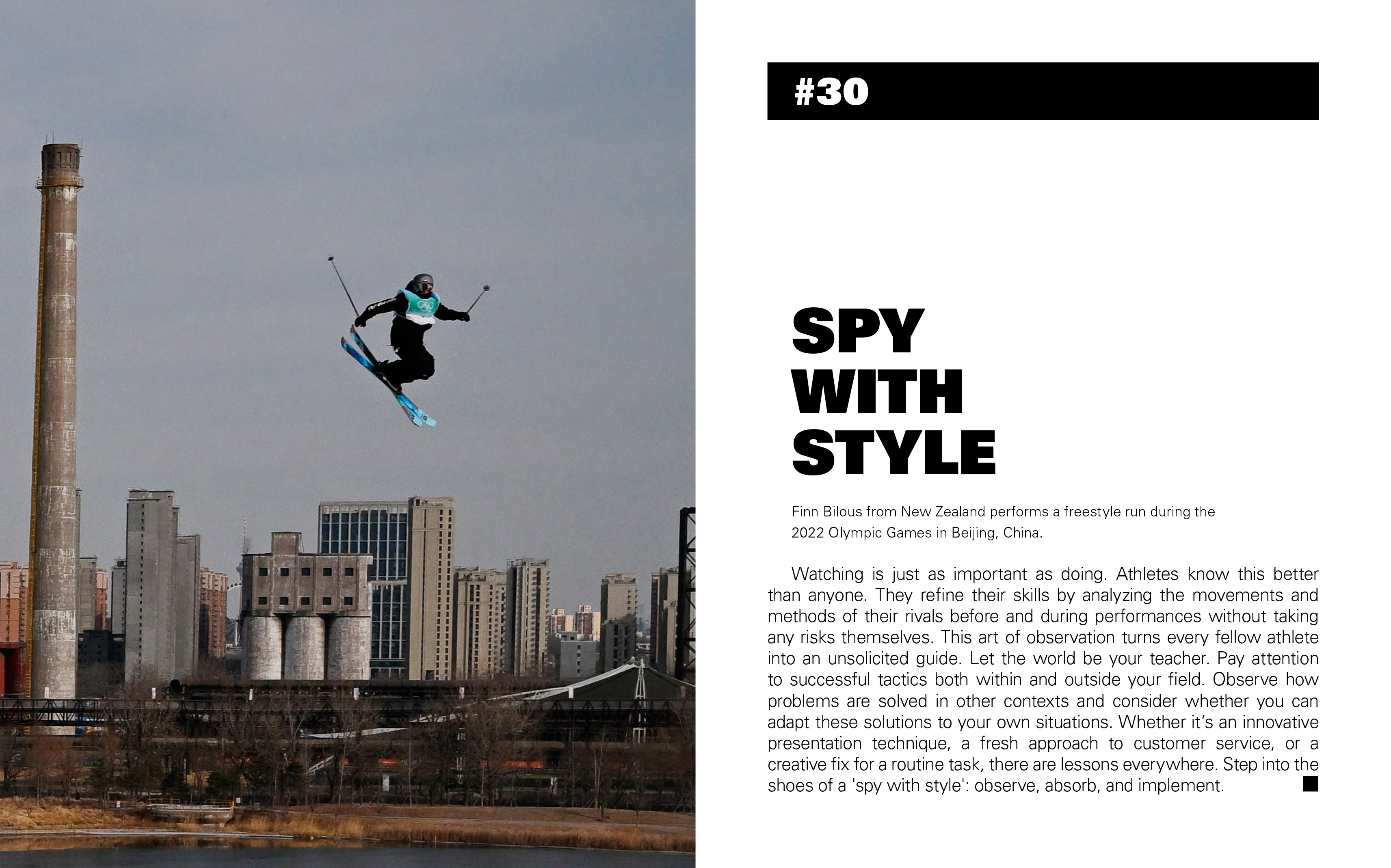
And then there are the last-minute stories: athletes fighting until the very end for their place.
What we see during the Games is Peak.
What we often do not see are Prepare, Recover and Evolve.
Elite sport works in cycles
Elite sport is not a collection of peak moments. It is a rhythm: preparing, performing, recovering. And then learning. Remove one phase and the system falls out of balance. That applies to athletes at the Games, but just as much to leaders, managers and teams. We can learn from every phase to strengthen our mental resilience.
Prepare: winning begins before the start
The Velzeboer sisters and the Van ’t Wout brothers have already “skated” their races before they start. Train in your mind. Go through scenarios: what if. Anticipate mistakes. Not to control everything, but not to be surprised by their own reactions.
Jutta Leerdam speaks openly about Recognizing her body: when pushing makes sense, and when it does not. That is not weakness. That is alignment. Not pushing harder. Dosing better.
With debutants you may see something else: tension. First Games. Expectations. Everyone watching. Nerves are normal; they do not mean something is wrong, but that it matters.
Peak: first observe, then act
Short track and snowboard cross are strong metaphors for working under pressure: chaos, speed, little control. Short track skater Suzanne Schulting rarely wins by blindly going forward. She looks. Positions herself. Waits. Only then does she make her move. In the workplace, we often do it the other way around.
Performing is not reacting faster. It is about observing better. See like a champion.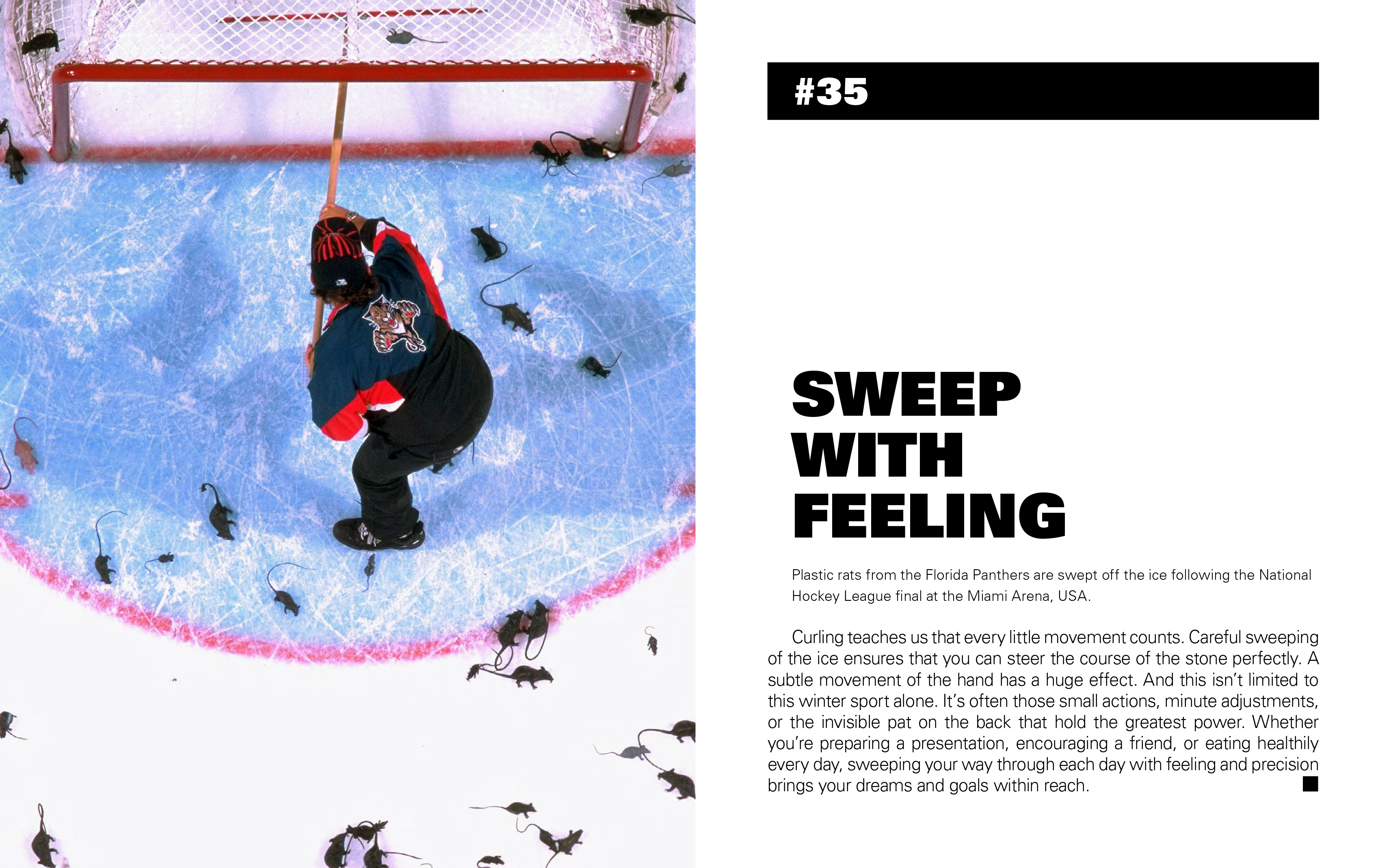
And it is rarely individual. In team events, such as the relay, team pursuit and bobsled, everything revolves around relationships, timing, trust and role division. Who takes the lead, who safeguards, who supports? Success under pressure is organized cooperation: The true power of a team.
Recover: athletes are just people
What we often misread is emotion. Kjeld Nuis is visible and explosive. That is not necessarily a flaw. Emotions are effective; they are information. They reveal where tension lives and what truly matters. Ignore them and you lose sharpness.
Recovery is directly connected to that. Elite sport is often not about what you do, but about what you do not do. Recovery in prime form. Without pause, there are no peak performances - not in the office either. Athletes are not machines, they are people. And so are we.
Evolve: the season is longer than one race
Do not be afraid to learn from others. Embrace your competitor. Think of Nuis versus Wennemars. They needed each other. Not to defeat the other, but to raise their own level.
And do not forget: It takes longer than you think. Especially in the 10,000 meters. Finishing requires something different than starting. Finish it. It is only over when it is truly over.
At the end of every important phase, ask yourself three questions:
What will I keep?
What will I stop?
What will I improve?
Keep. Stop. Start.
What this means for work
The biggest misconception about work is that it is always about winning. In reality, it is about rhythm. Knowing when to prepare. When to peak. When to recover. And when to learn.
Choose one phase you’ve been neglecting this week. And take action.
Not every run is a final.
Not every workday needs to deliver gold.
But those who learn to think in cycles will sustain it longer.
Mental strength for everyone. Enjoy the Winter Olympics.
For readers who want to explore how principles from elite sport can help deal with pressure, recovery and long-term development at work, Think Like an Athlete, Don't Act Like One is available via Managementboek. The book examines how mental strength, rhythm and reflection support sustainable performance beyond the world of sport.
Over Joost Pluijms
Joost Pluijms (1983) is a Dutch sport psychologist (VSPN), human movement scientist, trainer and speaker. With a background in industrial design and a PhD on perceptual-cognitive skills and expert performance in elite sailing, he bridges sport science and performance psychology. He has worked with TeamNL, BrabantSport and elite clubs, and supports athletes and high-performance professionals.