I see many leaders living as if every workday is a final.
But performing at maximum intensity all the time inevitably leads to exhaustion.
In Think Like an Athlete, Don’t Act Like One, I show what leaders can learn from elite athletes: not working harder, but dosing smarter. Performance requires rhythm, recovery, and perception.
Think like an athlete. But don’t live as if every day must be won.
I draw lessons from Michael Jordan’s shoe, the rhythm of Jutta Leerdam, and the smile of Roger Federer. Elite sport, for young and old: preparing optimally, performing when it matters, and recovering when you have earned it. That is what Think Like an Athlete, Don’t Act Like One is about.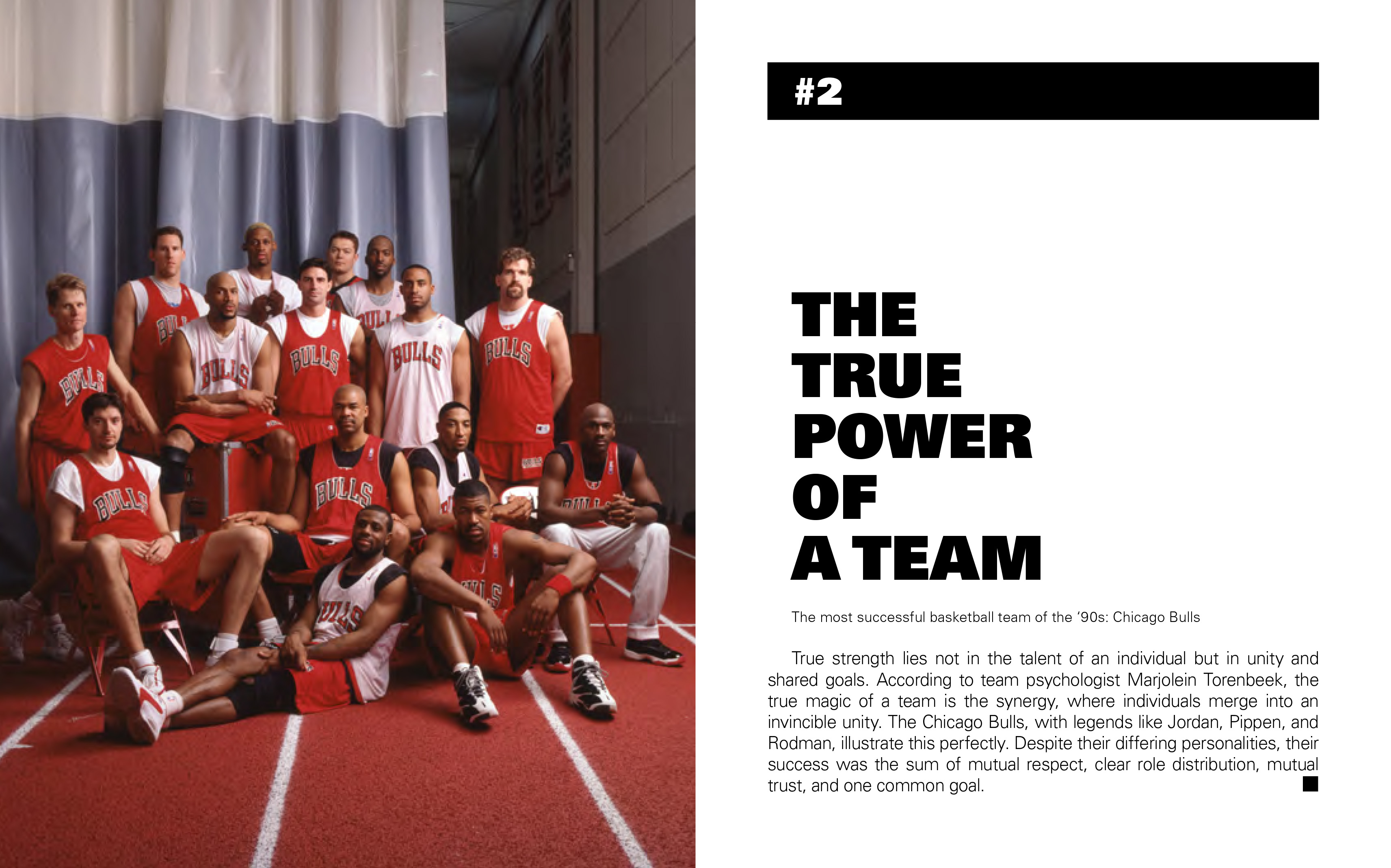
My book consists of 75 short lessons.
No complex models.
No step-by-step plans.
No management jargon.
Each lesson has three fixed ingredients: a title, an image, and a practical takeaway. That format is deliberate. In elite sport, performance rarely comes down to one big insight. The real battle takes place between the ears. It is about timing, perception, recovery, and interaction—exactly the skills that also define leadership under pressure.
The problem: permanent game mode
Many leaders see their work as elite sport. I understand that comparison. Wherever pressure is high, similar situations arise. In sport, you live in a pressure cooker. During a season, there is barely time to breathe. In business, there is often a bit more space, but comparable peak moments certainly exist.
What often goes wrong is that only ‘game mode’ gets copied: push through, focus harder, keep delivering.
But elite sport works in cycles.
No one is always ‘on’.
Too often, it becomes elite sport without the support system around it. And that is not sustainable.
The insight: performance requires rhythm
In sport, we work with a simple cycle: prepare, peak, recover.
Around that sits evolve: evaluate, learn, and adapt.
Remove one link, and it affects results, behaviour, and well-being. That is why I often say: plan recovery as seriously as you plan peak moments. Recovery is not a luxury; it is part of elite performance. Leaders need to organise that cycle not only for their teams, but also for themselves.
The solution: think like an athlete
The lessons in this book support that approach. They are accessible, provocative, and sometimes playful. You will learn from Michael Jordan’s shoe, the fire of Sifan Hassan, and the goggles of Michael Phelps—not to impress, but because images sharpen perception. You will discover why, sometimes, pouring yoghurt over your head might help you succeed.
In Four captains on one ship, it becomes clear that a winning team does not need one leader, but multiple forms of leadership: task-focused, social, motivational, and connective.
Give that inner voice a name shows how to create space between stimulus and response under pressure. Elite athletes train this explicitly. For leaders, it is an essential decision-making skill.
And Recovery in optimal form makes clear why always pushing forward is not strength, but a risk.
The application: leadership without heroics
Leadership is not about pushing harder, but about sensing what a team needs in that moment. If you can do that under pressure, you are a great leader. The best sports coaches master this like no one else.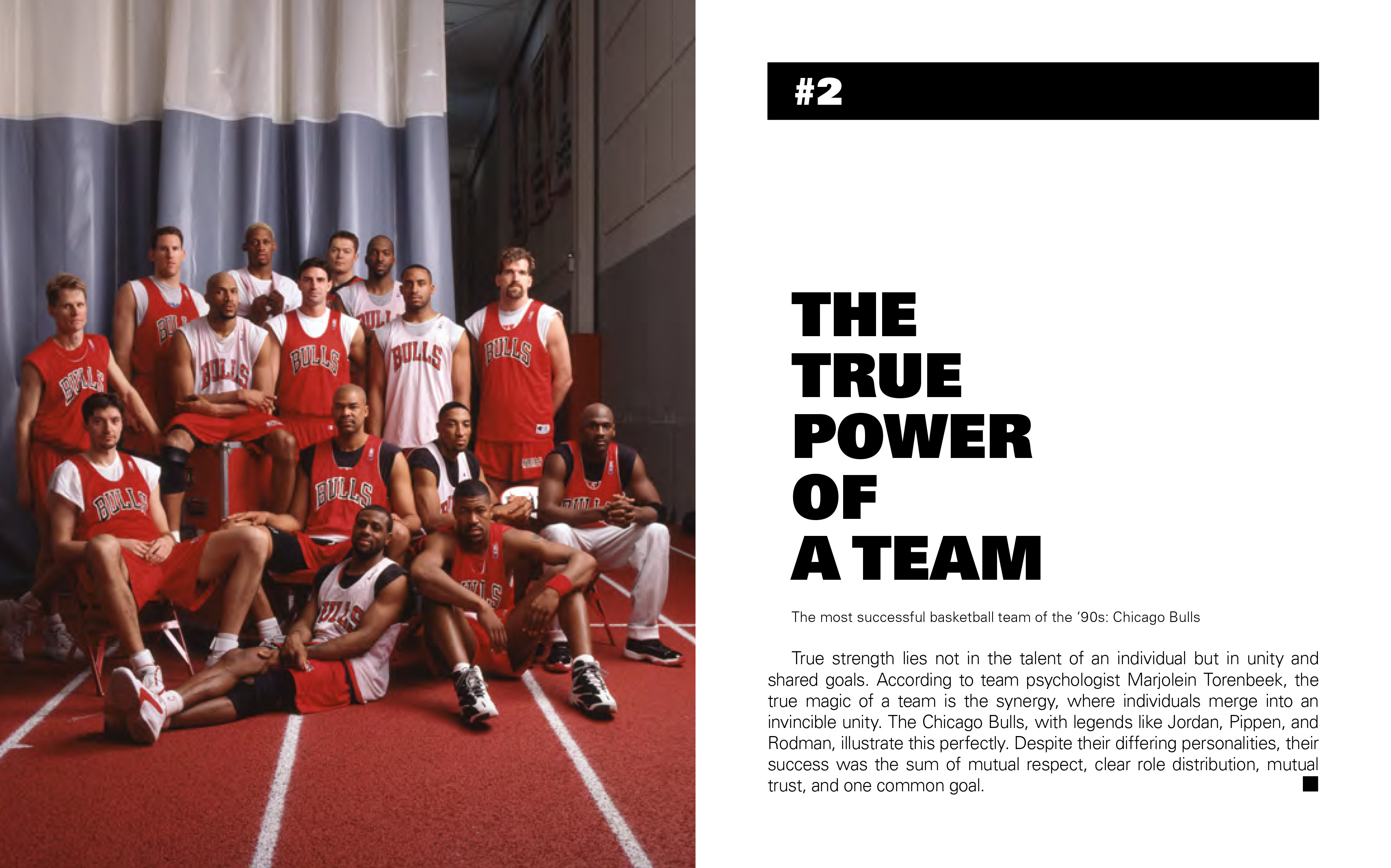
I rarely use the word leadership myself. I prefer to think in terms of synergy rather than hierarchy. Clarity, trust, shared values, and team interest form the foundation. Creating that clarity is the leader’s job. After that, it is up to the team to take responsibility—and to be given the space to do so.
What this book adds
This book is your personal playbook.
For your first job.
A difficult exam.
Or the moment when you must lead and do not quite know how.
It does not want to make you work harder.
It wants to help you dose better.
Not by always winning.
But by knowing when you do not need to play a final.
That is not weakness.
That is modern leadership.
Think Like an Athlete, Don’t Act Like One offers leaders, professionals, and ambitious performers a practical framework for sustainable performance under pressure. The book helps readers develop rhythm, sharpen perception, and take recovery seriously as part of success. Order the book at Managementboek and discover how thinking like an athlete leads to better leadership - without burning out.
Over Joost Pluijms
Joost Pluijms (1983) is a Dutch sport psychologist (VSPN), human movement scientist, trainer and speaker. With a background in industrial design and a PhD on perceptual-cognitive skills and expert performance in elite sailing, he bridges sport science and performance psychology. He has worked with TeamNL, BrabantSport and elite clubs, and supports athletes and high-performance professionals.