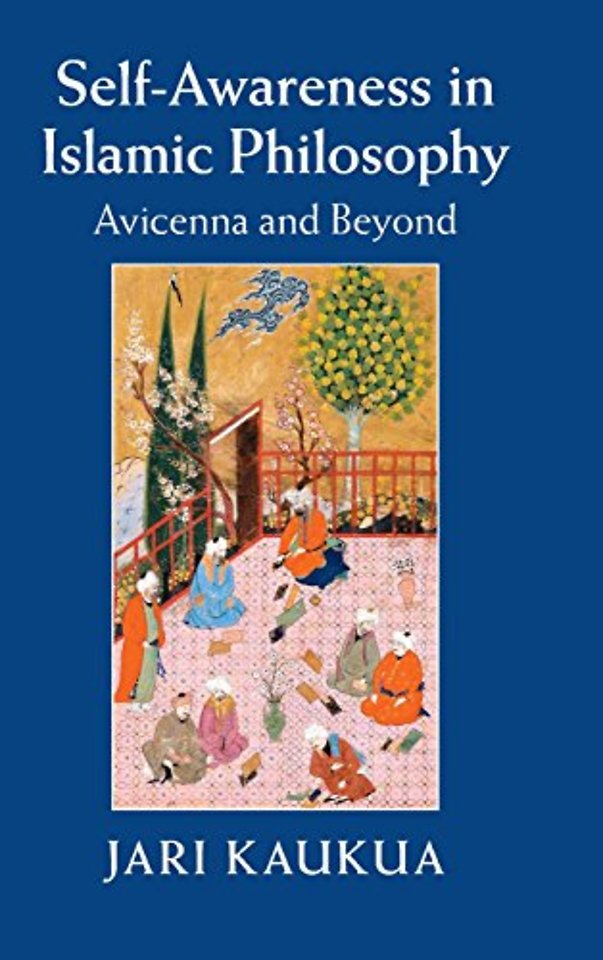
Self-Awareness in Islamic Philosophy
Avicenna and Beyond
Samenvatting
This important book investigates the emergence and development of a distinct concept of self-awareness in post-classical, pre-modern Islamic philosophy. Jari Kaukua presents the first extended analysis of Avicenna's arguments on self-awareness - including the flying man, the argument from the unity of experience, the argument against reflection models of self-awareness and the argument from personal identity - arguing that all these arguments hinge on a clearly definable concept of self-awareness as pure first-personality. He substantiates his interpretation with an analysis of Suhrawardī's use of Avicenna's concept and Mullā Sadrā's revision of the underlying concept of selfhood. The study explores evidence for a sustained, pre-modern and non-Western discussion of selfhood and self-awareness, challenging the idea that these concepts are distinctly modern, European concerns. The book will be of interest to a range of readers in history of philosophy, history of ideas, Islamic studies and philosophy of mind.
Specificaties
Inhoudsopgave
Vaak samen gekocht


Anderen die dit boek kochten, kochten ook
-
 Bastiaan Baan€ 25,95
 -
Friedrich Nietzsche€ 29,90
-
Jos van Remundt€ 34,50
-
Mara van der Lugt€ 24,90
-
Gerard Drosterij€ 72,99
-
Bernardo Kastrup€ 32,99






Rubrieken
- cadeauboeken
- computer en informatica
- economie
- filosofie
- flora en fauna
- geneeskunde
- geschiedenis
- gezondheid
- jeugd
- juridisch
- koken en eten
- kunst en cultuur
- literatuur en romans
- mens en maatschappij
- naslagwerken
- non-fictie informatief/professioneel
- paramedisch
- psychologie
- reizen
- religie
- schoolboeken
- spiritualiteit
- sport, hobby, lifestyle
- thrillers en spanning
- wetenschap en techniek
- woordenboeken en taal