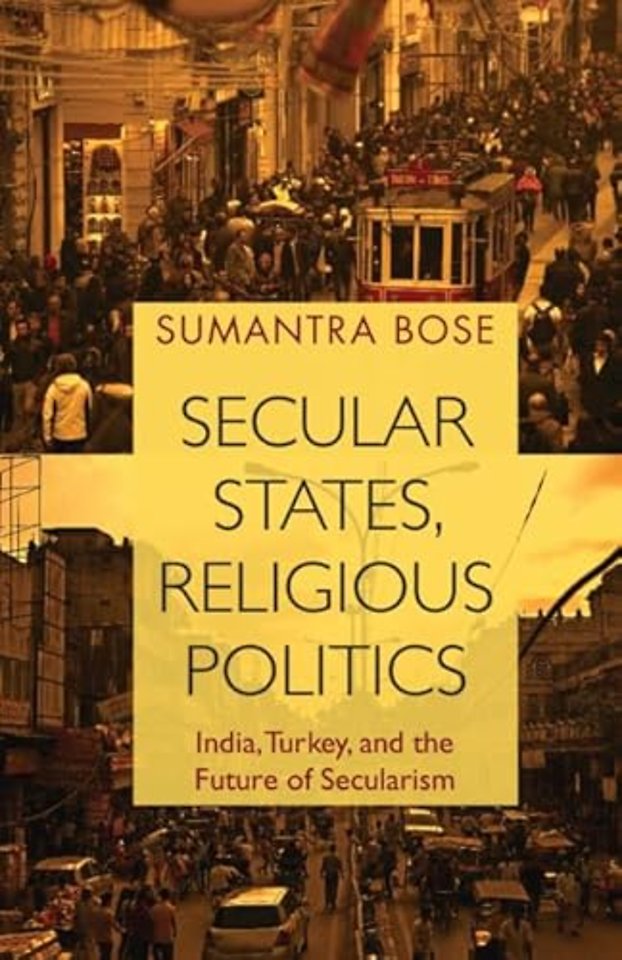
Secular States, Religious Politics
India, Turkey, and the Future of Secularism
Samenvatting
A pioneering comparative study of the two major attempts to build secular states - where the state's constitutional identity and fundamental character are not based on or derived from any religious faith - in the non-Western world. This book explains the origins, evolution and latterly the decline of secularism as a core principle of the state in India and Turkey. The anti-secular political transformations of the twenty-first century are the rise of a Sunni-Islamist definition of Turkish national identity to hegemonic power, and Hindu nationalism as India's pre-eminent political force. Both secular-state models adopted a similar operational doctrine of state intervention in and regulation of the religious sphere, rather than a Western-style separation of church and state. But, Turkish state-secularism took a culturally deracinated and harshly authoritarian form that led to its failure, whereas India's secular state - though flawed in practice - followed a culturally rooted and democratic path that makes secularism indispensable to India's future.
Specificaties
Inhoudsopgave
Rubrieken
- cadeauboeken
- computer en informatica
- economie
- filosofie
- flora en fauna
- geneeskunde
- geschiedenis
- gezondheid
- jeugd
- juridisch
- koken en eten
- kunst en cultuur
- literatuur en romans
- mens en maatschappij
- naslagwerken
- non-fictie informatief/professioneel
- paramedisch
- psychologie
- reizen
- religie
- schoolboeken
- spiritualiteit
- sport, hobby, lifestyle
- thrillers en spanning
- wetenschap en techniek
- woordenboeken en taal