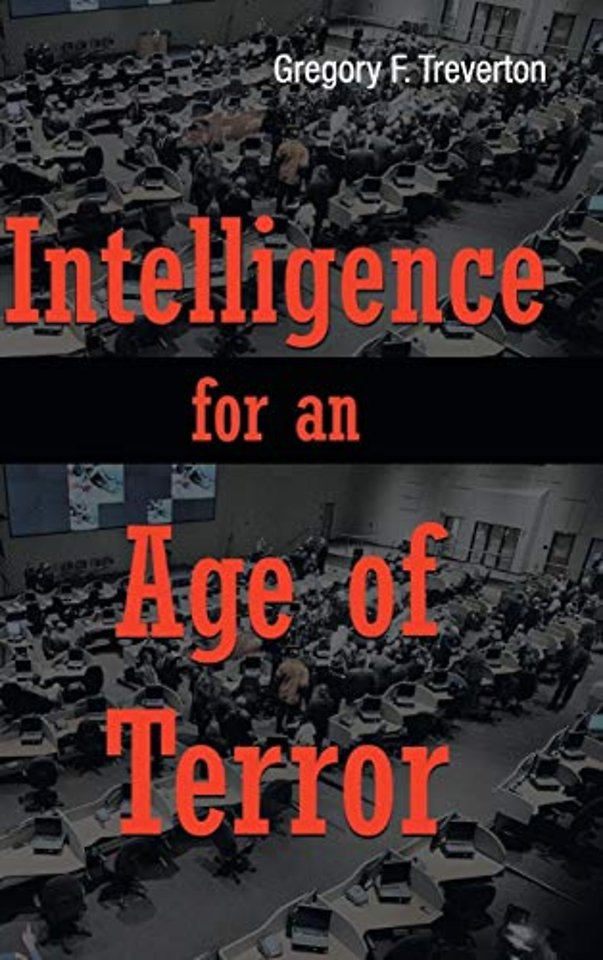
Gregory Treverton
Cambridge University Press
e druk, 2009
9780521518451
Intelligence for an Age of Terror
Specificaties
Gebonden, 320 blz.
|
Engels
Cambridge University Press |
2009
ISBN13: 9780521518451
Rubricering
Levertijd ongeveer 9 werkdagen
Gratis verzonden
Samenvatting
During the Cold War, U.S. intelligence was concerned primarily with states; non-state actors like terrorists were secondary. Now the priorities are reversed and the challenge is enormous. States had an address, and they were hierarchical and bureaucratic. They thus came with some 'story'. Terrorists do not. States were 'over there', but terrorists are there and here. They thus put pressure on intelligence at home, not just abroad. The strength of this book is that it underscores the extent of the change and ranges broadly across data collection and analysis, foreign and domestic, as well as presenting the issues of value that arise as new targets require collecting more information at home.
Specificaties
ISBN13:9780521518451
Taal:Engels
Bindwijze:gebonden
Aantal pagina's:320
Uitgever:Cambridge University Press
Verschijningsdatum:23-3-2009
Hoofdrubriek:Mens en maatschappij
Inhoudsopgave
1. Introduction; 2. The changed target; 3. The Cold War legacy; 4. The imperative of change; 5. The agenda ahead; 6. The special challenge of analysis; 7. Many customers, too many secrets; 8. Covert action: forward to the past?; 9. Rebuilding the social contract.
Anderen die dit boek kochten, kochten ook
-
 Gregory Treverton€ 154,62
 -
Gregory Treverton€ 38,67
-
Genieke Hertoghs€ 34,50
-
Boaz Bijleveld€ 27,95
-
Jitske Kramer€ 27,50
-
Patrick Willer€ 26,50



Rubrieken
- cadeauboeken
- computer en informatica
- economie
- filosofie
- flora en fauna
- geneeskunde
- geschiedenis
- gezondheid
- jeugd
- juridisch
- koken en eten
- kunst en cultuur
- literatuur en romans
- mens en maatschappij
- naslagwerken
- non-fictie informatief/professioneel
- paramedisch
- psychologie
- reizen
- religie
- schoolboeken
- spiritualiteit
- sport, hobby, lifestyle
- thrillers en spanning
- wetenschap en techniek
- woordenboeken en taal